

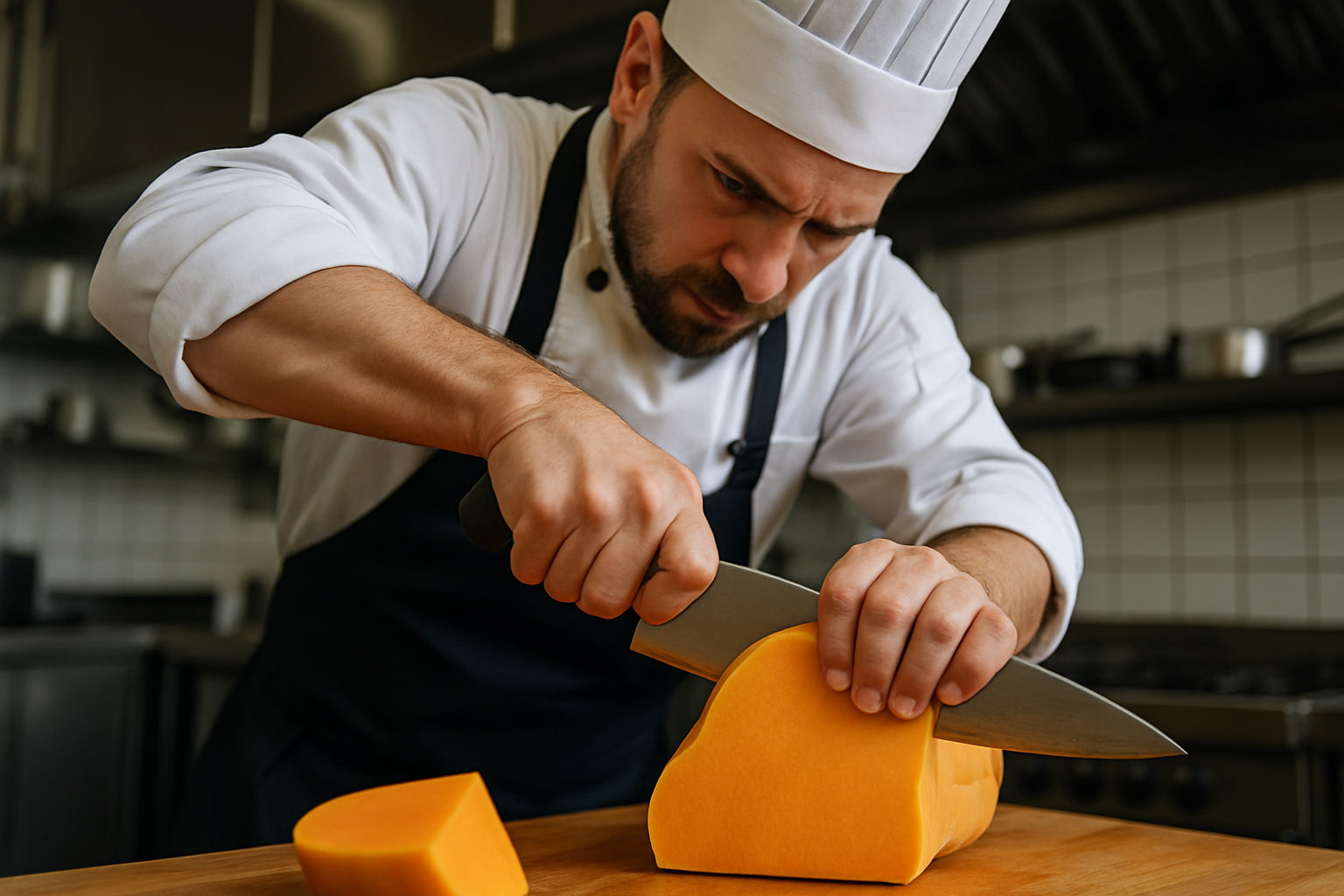
A chef’s knife is more than a tool; it’s an extension of the chef’s hand. Whether you’re slicing vegetables with precision or breaking down cuts of meat, a high-quality chef’s knife is integral to culinary success. But what makes a chef’s knife so effective? The answer lies in its anatomy. Understanding the parts of your chef’s knife not only enhances your cutting skills but also helps preserve the life of your blade.
What You’ll Learn in This Guide
This article will break down the seven key components of a chef’s knife, explaining their purpose and design. You’ll also discover four expert tips to maintain your knife’s edge and overall longevity. Whether you’re a home cook or professional chef, this guide will help you wield your blade with confidence and care.
The Anatomy of a Chef’s Knife
A chef’s knife is a carefully designed tool where every part serves a specific purpose. Here’s a breakdown of the seven key components.
1. Blade
The blade is the star of the show and the most critical part of the knife. Typically made from high-carbon stainless steel for precision and durability, the blade is responsible for the actual cutting. It encompasses different sections that fulfill distinct tasks:
- Tip: Ideal for delicate tasks like scoring or chopping small ingredients.
- Edge: The sharp part of the blade that performs the cutting. The edge can be straight, serrated, or Granton-style with dimples to prevent food from sticking.
A sharp, well-maintained blade ensures smooth, efficient cuts and reduces the risk of accidents caused by dull knives.
2. Spine
The spine is the thick, blunt edge of the blade opposite the cutting edge. Its thickness plays a crucial role in the knife’s balance and cutting power. A thicker spine generally indicates a sturdier knife capable of tackling tougher tasks like splitting hard squashes.
3. Bolster
The bolster is the transitional area between the blade and the handle. Found mostly in forged knives, the bolster offers weight, balance, and a safe grip by preventing your hand from slipping onto the blade.
4. Tang
The tang is the portion of the steel blade that extends into the handle. A full tang, which runs the entire length of the handle, provides superior balance and durability, making it a hallmark of high-quality knives. Knives with a partial tang may feel lighter but are generally less robust for heavy-duty tasks.
5. Handle
The handle, or the grip, determines how comfortable and secure the knife feels in your hand. Handles come in different materials, including wood, plastic, or composite. Look for rivets or molded designs that complement the full tang for added durability.
6. Heel
Located at the bottom end of the blade, the heel is the widest and strongest part. It’s perfect for tougher jobs like cutting through bones or thick vegetables. Applying pressure with the heel ensures added power for such tasks.
7. Point
The point is where the blade narrows to a sharp tip. It’s ideal for detailed tasks such as piercing or precision cuts. A sharp point enhances control and accuracy when dealing with intricate ingredients.
Understanding each component allows you to maximize the potential of your chef’s knife and use it safely and effectively.
4 Tips to Preserve Your Blade’s Edge
Investing in a high-quality chef’s knife is only half the battle; the other half lies in maintenance. Proper upkeep not only extends the life of your knife but ensures its cutting edge stays razor-sharp. Follow these four expert tips.
1. Use the Right Cutting Surface
Avoid hard surfaces like glass or stone, which can dull your knife’s edge quickly. Opt for softer surfaces such as wooden or plastic cutting boards. These materials are gentle on the blade and allow for smoother cuts.
2. Clean Your Knife Properly
Never place your chef’s knife in the dishwasher. The harsh heat and detergent can damage the blade and handle. Instead, hand wash your knife with lukewarm water and mild soap. Dry it immediately to prevent rust or corrosion, especially if it’s made of high-carbon steel.
3. Hone Regularly, Sharpen Occasionally
Honing realigns the blade’s edge, keeping it sharp longer, while sharpening removes material to create a new edge entirely. Use a honing steel every few uses and sharpen the knife only when the edge becomes noticeably dull. For sharpening, consider a whetstone or a professional service to maintain precision.
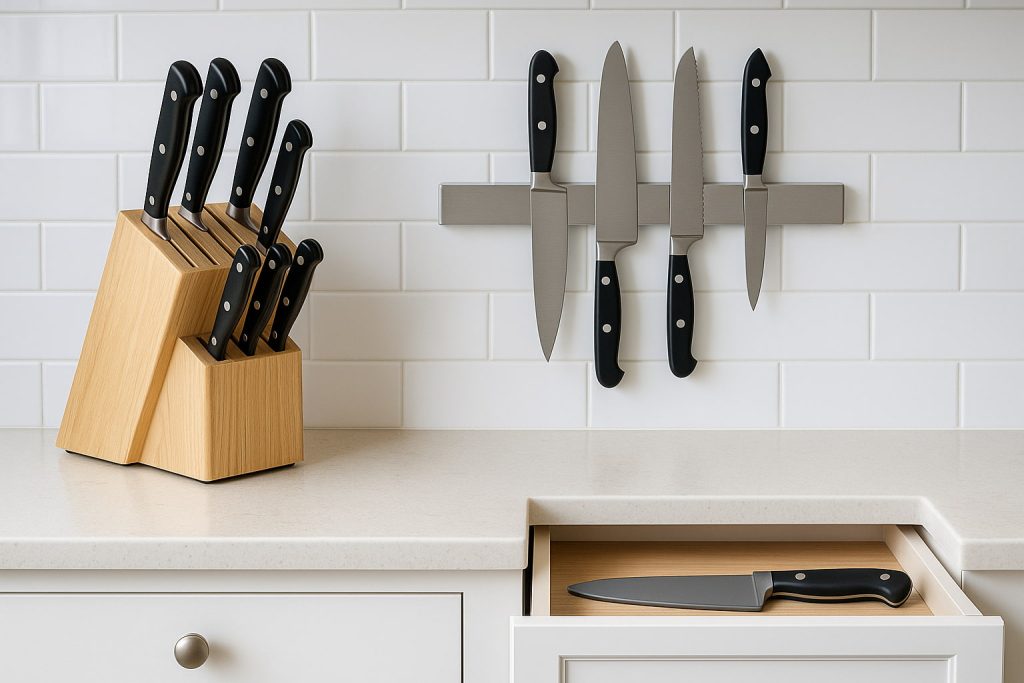
4. Store Your Knife Safely
Storing your knife properly prevents damage to both the blade and you. Use a knife block, magnetic strip, or blade guard. Avoid tossing it into a drawer, where it can bump against other tools and lose its edge.
Why Understanding Knife Anatomy Matters
Knowing the anatomy of your chef’s knife is about more than identifying its parts. It empowers you to choose the right knife for your needs, use it effectively, and maintain it properly. A well-maintained chef’s knife improves not only your cooking precision but also your kitchen safety.
Elevate Your Knife Skills Today
Your chef’s knife is the workhorse of your kitchen. By understanding its anatomy and following proper maintenance practices, you can truly elevate your cooking experience. Looking for more expert advice? Stay sharp and explore our curated guides to cookware and tools designed for passionate cooks like you.


